The insurance landscape is shifting dramatically as we head into 2026. Economic pressures, evolving technologies, climate realities, and legislative developments are driving significant changes in how insurance products are structured, priced, and delivered. For policyholders, staying ahead of these changes is crucial not just for saving money, but also for ensuring adequate protection when it matters most.
Subsidy Expiration and Health Insurance Shifts
One of the most pressing issues in the health insurance world is the scheduled subsidy expiration of the “enhanced premium tax credits” at the end of 2025. These credits, part of the Affordable Care Act (ACA) enhancements, have dramatically reduced monthly premiums for millions of Americans. Without congressional action, these subsidies will vanish, causing premiums to double in many cases. This could affect affordability and access for millions who rely on ACA marketplace coverage.
Additionally, starting in 2026, a significant reform will allow all bronze and catastrophic health plans to be compatible with health savings accounts (HSAs). This change opens the door for more people to pay for out-of-pocket expenses using pre-tax dollars, potentially making high-deductible plans more manageable. Another important development is the introduction of telehealth parity rules. Many high-deductible health plans will now allow access to virtual care before meeting the deductible, lowering barriers to essential mental and primary health services.
These changes mean that reviewing your plan options during open enrollment in late 2025 will be more important than ever. You may need to reevaluate which tier of coverage fits both your health needs and financial goals as affordability shifts drastically.
Right-Sizing Coverage in a Time of Inflation
“Right-sizing” your insurance policy is the new mantra for homeowners in 2026. With rebuild costs soaring due to inflation, many policyholders are dangerously underinsured. Too many people confuse their home’s market value with what it would cost to rebuild it from scratch after a disaster. These are two very different numbers.
Right-sizing coverage involves auditing your existing policy and ensuring the dwelling limit reflects current construction costs, not a valuation from three years ago. Labor shortages, material price hikes, and climate disruptions have combined to make rebuilding significantly more expensive in many regions. Insurance companies are responding by encouraging or even requiring updated appraisals to align coverage with realistic reconstruction scenarios.
This isn’t just about total losses. Even partial damage from a storm or fire can quickly exceed outdated limits if your policy hasn’t kept up with economic conditions. Investing time to update your policy now can prevent devastating shortfalls later.
Usage-Based Insurance and the Rise of Telematics
Auto insurance is experiencing a data-driven transformation. Usage-based insurance (UBI) is poised to become the dominant pricing model in 2026. These programs rely on telematics, small plug-in devices or mobile apps that monitor your driving habits. The goal is simple: reward safer, lower-mileage drivers with significant premium discounts.
If you drive infrequently, avoid hard braking, and don’t speed, UBI could save you hundreds of dollars annually. Many insurers are aggressively promoting “pay-how-you-drive” models as they allow for personalized pricing that better matches risk. By 2026, most major auto insurance providers will have some form of telematics-based option, and participation is expected to surge.
However, with this trend comes a growing emphasis on data privacy and consent. Customers must weigh the benefits of potential savings against the reality of constant monitoring. Still, for those who prioritize savings and transparency, usage-based insurance may be the smart move.
Climate-Driven Deductibles and Roof Standards
Climate risk is reshaping homeowners insurance. In 2026, more carriers are shifting from traditional flat-rate deductibles to percentage-based ones, especially for climate-related events. Instead of a fixed $1,000 deductible for wind or hail damage, policyholders might now be responsible for 1 to 2 percent of the home’s insured value. For a $400,000 home, that means a $4,000 to $8,000 out-of-pocket cost before coverage kicks in.
This approach reflects insurers’ need to mitigate losses as weather disasters become more frequent and costly. Understanding these changes is critical. You should know which perils carry percentage deductibles and what your true exposure would be in the event of a major storm.
In addition, insurers are tightening standards around roof conditions. Thanks to advances in satellite imaging, many carriers are now using aerial photos to assess roof age and condition. In 2026, it’s common to see insurance denied or premiums hiked if your roof is over 15 years old, regardless of visual wear. Some insurers even demand replacement as a condition of renewal. Regular inspections and proactive replacements are no longer optional; they’re essential to keeping your policy active and affordable.
AI Claims, Cyber Protection, and Inflation-Linked Coverage
The insurance industry is undergoing a technological evolution, with agentic AI leading the charge. Unlike traditional chatbots, agentic AI systems can autonomously process simple claims such as cracked windshields or minor accidents. By 2026, many insurers will be using these systems to settle claims in minutes instead of days. For consumers, this could mean faster resolutions and fewer headaches when filing straightforward claims.
The rise of AI-driven scams and digital vulnerabilities is also changing the scope of coverage. Personal cyber protection is emerging as a standard part of homeowners policies. More providers are offering riders that cover identity theft, ransomware attacks, and social engineering fraud. As households store more sensitive information online and connect more devices, the risk of cybercrime grows. Protecting your digital life is becoming as routine as protecting your physical assets.
Another insurance component to watch is replacement cost inflation. Due to persistent supply chain issues, tariffs, and labor shortages, the cost of materials like lumber and steel remains unstable. That’s why “extended replacement cost” coverage is becoming essential. This feature provides a buffer, typically 20 to 50 percent above your declared limit, in case rebuilding costs spike after a disaster. It’s a powerful safeguard in a time of economic volatility.
Conclusion
Insurance in 2026 will be shaped by rising costs, smarter technology, and a changing climate. Whether it’s preparing for the subsidy expiration that could double health insurance premiums, adjusting homeowners coverage to reflect true rebuild costs, or embracing telematics for car insurance savings, consumers must become more proactive.
Understanding the mechanics of climate-driven deductibles, ensuring your roof meets current standards, and choosing policies that offer cyber and inflation-linked protection are no longer extras; they’re the foundation of modern risk management. With agentic AI speeding up claims and expanded HSA access making health costs more manageable, 2026 is poised to redefine what policyholders should expect from their coverage.
Now is the time to reassess, revise, and right-size your policies. The right decisions today can shield you from the financial shocks of tomorrow.
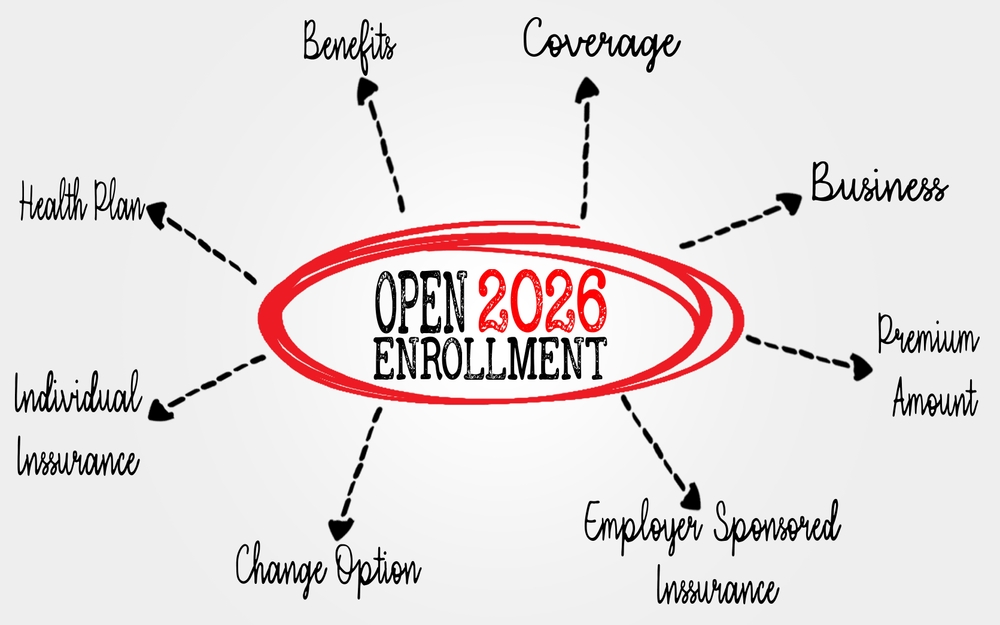
The arrival of a new year offers a fresh opportunity to take control of your health and wellness. While many focus on resolutions like losing weight or exercising more, it’s just as essential to review your healthcare coverage and make critical decisions that could impact your financial and physical well-being throughout the year. This is the perfect time to complete your open enrollment checklist and ensure you’re fully prepared for what lies ahead.
Whether you’ve changed insurance plans or are continuing with your current provider, early January is an ideal moment to reassess your needs. For starters, take time to confirm your in-network provider options. Insurance networks can change from year to year, and scheduling appointments with out-of-network doctors can lead to higher costs. Confirming your preferred physicians, specialists, and clinics remain covered can save you from unexpected bills down the road.
Alongside provider confirmation, a new year signals the reset of your health insurance deductible. If you anticipate medical expenses, deductible reset planning becomes critical. Understanding how much you’ll need to pay out-of-pocket before your coverage kicks in can help you plan your appointments and procedures more strategically. This foresight ensures that you are financially prepared for high-cost services early in the year while also making the most of your insurance benefits.
Reviewing Your Health Benefits for Maximum Value
One of the most overlooked parts of health planning is conducting a new year health benefits review. With many Americans receiving annual benefit updates or changes from their employers or private insurers, it’s crucial to read through the fine print. A comprehensive review ensures you fully understand what your plan covers, any new exclusions, and what has changed from the previous year. Even minor adjustments to co-pays, coverage tiers, or preventive care benefits can affect how and when you seek care.
During this review, pay close attention to your prescription coverage changes. Formularies, which are the lists of drugs covered by insurance, are updated each year. Medications that were once fully covered might now require higher co-pays or may no longer be covered at all. If you rely on specific prescriptions, confirm their inclusion in your current plan and explore generic alternatives or discount programs if needed. Early awareness helps avoid surprise pharmacy bills and gives you time to speak with your healthcare provider about potential substitutions.
Annual wellness visit scheduling should also be on your radar. Preventive visits such as physical exams, vaccinations, and screenings are typically covered at no cost under most health plans. Booking these early in the year not only gets you ahead of the game but also gives your provider more flexibility in scheduling. These visits are essential for catching health issues early and maintaining your overall well-being throughout the year.
Maximizing FSA Benefits and HSA Limits
If you have a flexible spending account, now is the time to implement your flexible spending account (FSA) strategy. FSAs are a great tool for setting aside pre-tax dollars to pay for eligible healthcare expenses, but they often come with a “use it or lose it” rule. Some plans offer a grace period or allow a limited carryover amount, but many require that funds be spent within the plan year. Review your balance and develop a spending strategy for vision care, dental work, medical supplies, or even over-the-counter medications.
In contrast to FSAs, health savings accounts (HSAs) are more flexible and can be rolled over year after year. As part of your planning, familiarize yourself with the health savings account (HSA) contribution limits for the new year. The IRS adjusts these limits annually, so it’s important to know the current maximums for individual and family coverage. Contributing up to the limit can provide significant tax advantages and help build a financial cushion for future healthcare costs.
An effective strategy is to treat your HSA like a long-term investment. Funds can be used for immediate expenses, but if you’re in a position to pay out-of-pocket and allow the HSA to grow, you’ll gain tax-free earnings and a robust healthcare nest egg for retirement. Ensure your contributions are automatic and scheduled regularly so you don’t fall behind and miss out on tax benefits.
Preparing for a Healthy Year Ahead
Preparation is key when it comes to maintaining your health. This starts with reviewing your personal and family medical history and updating your records as necessary. If you’ve had any changes in your health over the past year or new diagnoses, it’s wise to notify your primary care provider and coordinate any specialist care that may be required.
Annual wellness visit scheduling should not be overlooked, especially if you’ve neglected routine screenings during the previous year. Many individuals skip preventive care due to busy schedules or lack of awareness, yet these visits are fundamental in identifying health issues early. Whether it’s a cholesterol check, a mammogram, or a diabetes screening, these appointments offer a chance to recalibrate your wellness plan and set healthy goals for the months ahead.
For families with children, ensure that all required vaccinations and school health forms are up to date. Pediatric wellness exams are often covered by insurance, and like adult visits, they provide critical touchpoints for tracking growth and developmental milestones.
If you or a loved one has a chronic illness, this is also a great time to evaluate your care plan and consider whether any adjustments are needed. Are there new treatment options available? Have new medications emerged that could improve your quality of life? Collaborating with your healthcare team early in the year positions you for success and may help reduce complications later.
Planning for Emergencies and Contingencies
While it’s easy to focus on day-to-day health needs, planning for the unexpected is just as vital. Start by reviewing your emergency contact list and updating any outdated information. Make sure your primary care provider and pharmacy have this on file in case of urgent situations. If you wear a medical ID or use a health monitoring app, check that all details are current.
Another critical area is making sure you have access to medical care when traveling. Review your insurance policy for information about coverage outside your home state or country. In-network provider confirmation becomes even more important here, especially if you’ll be in another region for an extended period.
Stock your home with essential medical supplies, including over-the-counter pain relievers, wound care items, allergy medication, and any necessary prescriptions. If you’re managing chronic conditions like asthma or diabetes, ensure you have enough backup supplies and medications to cover emergencies or supply chain disruptions.
Advance care planning, while often uncomfortable to think about, is also a meaningful part of health preparedness. If you haven’t done so already, consider establishing a healthcare proxy or updating your living will. These documents provide clarity for loved ones and healthcare providers should you become unable to make decisions on your own.
Conclusion
The start of a new year is more than a symbolic reset; it’s a strategic opportunity to take control of your healthcare. By completing your open enrollment checklist, engaging in deductible reset planning, and conducting a new year health benefits review, you can enter the year informed and empowered. Whether you’re adjusting your flexible spending account (FSA) strategy or contributing to your HSA within the updated health savings account (HSA) contribution limits, small actions today lead to long-term benefits.
Staying aware of prescription coverage changes, confirming in-network providers, and scheduling your annual wellness visits all contribute to a proactive healthcare approach. Planning now not only keeps you physically healthier but also puts you in a better financial position for the year ahead. With intentional preparation and a clear understanding of your benefits, you can make the most of every healthcare dollar and every wellness opportunity in the year to come.

Discussing health and medical insurance coverage can be a daunting task, whether you’re enrolling in a new plan or re-evaluating your existing one. With so many terms and options involved, it’s essential to approach the conversation informed and prepared. Understanding the key components of a health insurance plan can save you time, money, and potential confusion later on. Whether you’re speaking with an HR representative, an insurance broker, or navigating the healthcare marketplace during the open enrollment period, knowing the basics can make all the difference.
This guide will walk you through what you should know before you sit down for a health and medical coverage conversation, with a focus on essential concepts like health insurance premiums, medical deductible, HMO vs. PPO options, and more. Let’s explore these topics in depth so you can make confident, informed decisions.
Understanding Health Insurance Premiums and Deductibles
One of the first terms you’ll encounter is health insurance premiums. These are the monthly payments you make to maintain your coverage, regardless of whether you use any healthcare services that month. Think of it as your ticket to access healthcare services. While a lower premium might seem attractive, it often comes with higher costs elsewhere in the plan, such as deductibles or copayments.
Your medical deductible is the amount you have to pay out of pocket each year before your insurance begins covering costs. For instance, if your deductible is $2,000, you’ll need to pay that amount for covered medical services before your insurance kicks in. Plans with higher premiums usually have lower deductibles, and vice versa. Striking the right balance between your premium and deductible based on your healthcare needs and financial situation is a critical part of choosing a plan.
Decoding Plan Types: HMO vs. PPO
Choosing between an HMO and PPO plan is another vital step in your healthcare journey. These acronyms stand for Health Maintenance Organization (HMO) and Preferred Provider Organization (PPO), and they represent different approaches to managing your care.
With an HMO plan, you’re typically required to choose a primary care physician (PCP) who manages your healthcare and provides referrals to specialists. You must stay within a specific network of providers for your care to be covered, except in emergencies. While HMOs often have lower premiums and out-of-pocket costs, they are less flexible in terms of provider choice.
A PPO plan, on the other hand, offers more freedom. You can see specialists without a referral and visit out-of-network providers, although you’ll pay more for those visits. PPOs are generally more expensive in terms of both premiums and out-of-pocket costs, but they provide a broader range of options, making them suitable for individuals who want more control over their healthcare decisions.
Understanding the pros and cons of HMO vs. PPO plans will help you choose one that aligns with your preferences for cost, provider access, and flexibility.
What to Know About Prescription Drug Coverage and Preventative Care
Prescription drug coverage is another component that should never be overlooked. Not all health insurance plans cover medications the same way, and some may not cover specific drugs at all. Most plans use a formulary, which is a list of covered medications organized into tiers. Each tier corresponds to a different cost level. Before finalizing your choice, review the formulary to ensure any prescriptions you currently take are covered.
Equally important are preventative care benefits, which include services designed to detect or prevent illnesses before they become serious. These services may include vaccinations, annual check-ups, screenings, and counseling. Under the affordable care act (ACA), many preventative services must be covered at no cost to the insured, provided they are delivered by an in-network provider. Ensuring your plan includes these benefits and knowing which ones are offered can promote long-term health and reduce future medical expenses.
During your conversation about health and medical coverage, ask for clarity about which preventative care services are included and whether any restrictions apply.
Managing Costs: Out-of-Pocket Maximums and Specialist Copayments
To truly understand the financial landscape of your healthcare plan, you need to look beyond just premiums and deductibles. The out-of-pocket maximum is a crucial number. This is the most you will have to pay for covered services in a plan year. Once you reach this limit, your insurance pays 100% of covered services. This cap includes your deductible, copayments, and coinsurance, but not your premiums.
Knowing your out-of-pocket maximum can provide peace of mind. It represents the worst-case scenario for your annual medical expenses, a particularly important figure if you anticipate major procedures or ongoing treatments.
Specialist copayments are another factor to consider. These are fixed amounts you pay when visiting a specialist, such as a dermatologist or cardiologist. Copayment amounts can vary significantly between general practitioners and specialists. If you require regular visits to specialists, understanding the copayment structure will help you anticipate and manage these expenses more effectively.
These cost elements can have a significant impact on your budget, especially if you or your dependents need frequent medical care.
Timing is Everything: The Importance of the Open Enrollment Period
The open enrollment period is the designated time each year when you can sign up for, change, or cancel your health insurance plan. Missing this window can mean waiting an entire year unless you qualify for a special enrollment period due to life events like marriage, birth of a child, or loss of other coverage.
It’s essential to mark this timeframe on your calendar and begin preparing early. Review your current plan, assess any changes in your health or finances, and compare options available to you. Insurance providers often update their networks, coverage terms, and costs, so what worked last year may not be the best choice this year.
During this period, it’s wise to schedule a conversation with your employer’s HR department, a licensed broker, or navigate the healthcare marketplace yourself. Bring a list of questions and a clear understanding of your priorities. The more you know ahead of time, the more productive and stress-free the conversation will be.
Conclusion
Having a meaningful and productive conversation about health and medical coverage requires more than a passing familiarity with insurance terms. From understanding the trade-offs between health insurance premiums and medical deductible amounts, to choosing between an HMO vs. PPO, every decision involves factors that can affect your finances and your access to care.
Equally important is clarity about prescription drug coverage and the preventative care benefits offered under your plan. Grasping the financial safeguards, like out-of-pocket maximums and specialist copayment responsibilities, ensures you’re not caught off-guard by unexpected costs.
Lastly, knowing when and how to act during the open enrollment period empowers you to make timely decisions that align with your healthcare needs for the coming year. The affordable care act (ACA) has made many aspects of healthcare more accessible, but it’s still up to individuals to stay informed and engaged.
Approach your next health and medical coverage conversation with confidence. Being well-prepared not only helps you ask the right questions but also ensures that you walk away with a plan that supports your health and your financial well-being.

Filing your first insurance claim can feel overwhelming, especially when you’re unsure about the steps involved or what to expect. Whether you’re dealing with property damage, an auto accident, or another type of insured loss, understanding the process beforehand can save you time, money, and frustration. This guide will explain what to know before you file your first insurance claim, offering clear insights to help you navigate the process with confidence.
The Basics of Filing Your First Insurance Claim
Before initiating a claim, it’s essential to grasp what filing your first insurance claim actually involves. An insurance claim is essentially a formal request to your insurer asking for compensation for a covered loss. This could be related to health, auto, homeowners, or renters insurance. Once you submit a claim, your insurance provider will assess the situation to determine whether the loss falls under your coverage and how much compensation you’re entitled to receive.
What to know before you file your first insurance claim includes understanding your policy thoroughly. Many policyholders are unaware of the fine print that defines their deductibles, limits, and exclusions. Take time to read your policy carefully and clarify any uncertainties with your insurance agent. Knowing your deductible amount is particularly crucial because this is what you’ll pay out of pocket before your insurance coverage takes effect.
Additionally, maintaining accurate documentation of your possessions or property condition before an incident occurs can help strengthen your claim. This documentation might include receipts, photographs, and an inventory list. If you’re dealing with property damage, take fresh photos or videos immediately after the incident to support your claim further.
How to Know When You Should File a Claim
One of the most frequent dilemmas people face is deciding how to know when you should file a claim. Not every incident necessitates filing; sometimes, the potential increase in premiums outweighs the benefits of receiving compensation.
First, assess the damage or loss against your deductible. If the repair cost is barely higher than your deductible—or even lower—it may be wise to cover the costs yourself rather than filing. This avoids a possible spike in your insurance premium, which could end up costing you more over time.
Next, consider the frequency of your claims. Insurers view multiple claims in a short period as a red flag, potentially classifying you as a high-risk policyholder. If you’ve recently filed another claim, consider whether the current incident is significant enough to risk higher premiums or policy non-renewal.
Finally, evaluate the fault and liability factors. In auto insurance, for example, if another party is clearly at fault and their insurance is responsible for the damages, you may not need to file with your own insurer. However, if you’re unsure of the liability, it’s wise to consult your insurance agent to understand your position and the best course of action.
Verifying Who Needs to File a Claim in an Accident
In multi-party incidents, especially auto accidents, confusion often arises regarding verifying who needs to file a claim in an accident. Typically, the at-fault party’s insurer should handle the claim. However, scenarios aren’t always clear-cut, especially in states with no-fault insurance rules.
If you’re involved in an accident where fault is not immediately evident or is disputed, you may need to file a claim with your own insurer to initiate coverage and allow the insurance companies to negotiate liability later. This is known as a first-party claim. Conversely, if the other party accepts fault and their insurer acknowledges responsibility, you may proceed with a third-party claim directly through their insurer.
Sometimes both parties will need to file claims, especially if injuries are involved or if there’s significant damage to both vehicles or properties. It’s advisable to contact your insurance provider immediately after an accident. They can help you verify who needs to file the claim, considering your specific circumstances and policy terms.
Clear communication with all parties involved, including law enforcement if applicable, will further simplify this process. Keep records of all conversations, police reports, and any other relevant documents. This ensures you have evidence ready in case of disputes during the claims process.
Important Documentation and Evidence Before Filing
Gathering proper documentation is critical in the claims process. What to know before you file your first insurance claim is that insurers rely heavily on evidence to validate your losses and process your claim effectively. Failure to provide detailed, timely information can lead to delays, reduced compensation, or outright denial.
Start by documenting the scene of the incident as soon as it’s safe to do so. This may involve taking photographs of the damage, capturing the broader scene (such as skid marks or property destruction), and securing witness statements if possible. Keep copies of police reports or official incident records.
If your claim involves personal property, provide purchase receipts, warranties, and bank statements as proof of ownership and value. Maintaining an up-to-date inventory of valuables can expedite this step significantly.
For injury-related claims, collect all medical reports, treatment plans, and billing statements. This documentation not only proves the existence of injuries but also helps substantiate the financial impact of the incident.
Timeliness matters. Most insurers require claims to be filed within a specific timeframe, so avoid unnecessary delays. Proactively preparing your evidence and documents before filing your claim ensures a smoother, faster resolution.
Managing Expectations and Understanding the Claims Process
Filing your first insurance claim can be a lesson in patience. Understanding the typical steps involved in the process can help manage your expectations. After your claim is submitted, the insurer assigns a claims adjuster to investigate the situation. Their role includes verifying the details, assessing the damage, and determining compensation according to your policy terms.
Communication is essential throughout this process. Stay in regular contact with your adjuster and respond promptly to any requests for additional information or documentation. Keep detailed notes of all conversations, including dates, times, and the names of the individuals you speak with.
Be prepared for negotiations. Often, the first compensation offer isn’t final, especially in complex claims involving significant losses. If you believe the settlement offer doesn’t reflect the full extent of your damages, don’t hesitate to dispute it. You may request a re-assessment or even hire an independent appraiser to obtain a second opinion.
Finally, be realistic about the timeline. Simple claims may resolve within weeks, but complex cases, especially those involving injuries or extensive property damage, can take months to settle. Understanding these potential delays helps reduce frustration and empowers you to stay proactive throughout the process.
Conclusion
Filing your first insurance claim involves more than just contacting your insurer. Knowing what to do before you file your claim, understanding how to know when you should file a claim, and verifying who needs to file a claim in an accident are essential steps in ensuring a smooth and successful claims experience. By thoroughly understanding your policy, documenting your losses meticulously, and communicating clearly, you’ll navigate your first insurance claim with greater confidence and control.