

Preparing Health and Medical Needs for the New Year!
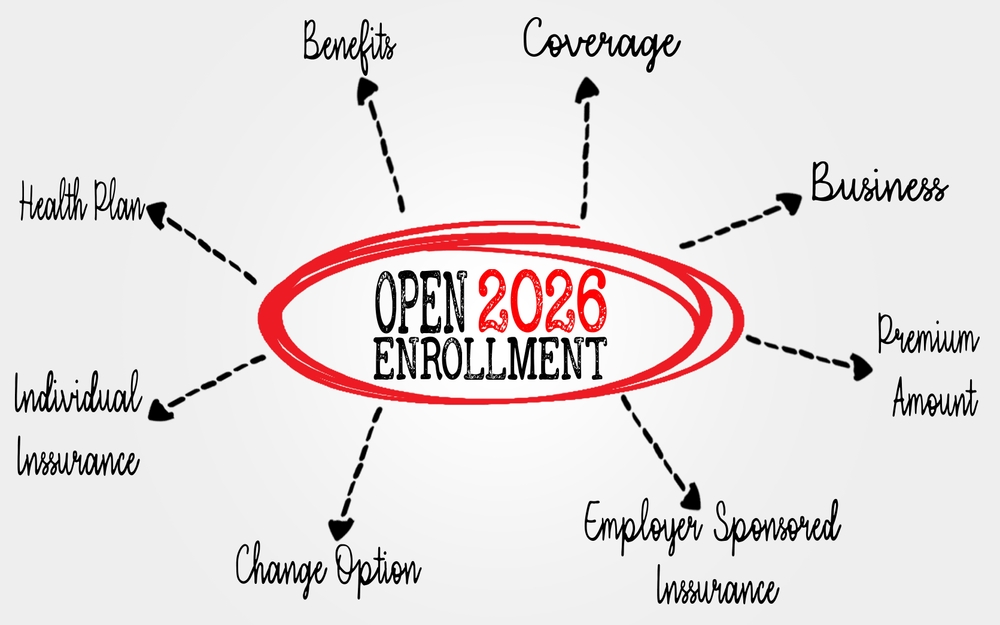
The arrival of a new year offers a fresh opportunity to take control of your health and wellness. While many focus on resolutions like losing weight or exercising more, it’s just as essential to review your healthcare coverage and make critical decisions that could impact your financial and physical well-being throughout the year. This is the perfect time to complete your open enrollment checklist and ensure you’re fully prepared for what lies ahead.
Whether you’ve changed insurance plans or are continuing with your current provider, early January is an ideal moment to reassess your needs. For starters, take time to confirm your in-network provider options. Insurance networks can change from year to year, and scheduling appointments with out-of-network doctors can lead to higher costs. Confirming your preferred physicians, specialists, and clinics remain covered can save you from unexpected bills down the road.
Alongside provider confirmation, a new year signals the reset of your health insurance deductible. If you anticipate medical expenses, deductible reset planning becomes critical. Understanding how much you’ll need to pay out-of-pocket before your coverage kicks in can help you plan your appointments and procedures more strategically. This foresight ensures that you are financially prepared for high-cost services early in the year while also making the most of your insurance benefits.
Reviewing Your Health Benefits for Maximum Value
One of the most overlooked parts of health planning is conducting a new year health benefits review. With many Americans receiving annual benefit updates or changes from their employers or private insurers, it’s crucial to read through the fine print. A comprehensive review ensures you fully understand what your plan covers, any new exclusions, and what has changed from the previous year. Even minor adjustments to co-pays, coverage tiers, or preventive care benefits can affect how and when you seek care.
During this review, pay close attention to your prescription coverage changes. Formularies, which are the lists of drugs covered by insurance, are updated each year. Medications that were once fully covered might now require higher co-pays or may no longer be covered at all. If you rely on specific prescriptions, confirm their inclusion in your current plan and explore generic alternatives or discount programs if needed. Early awareness helps avoid surprise pharmacy bills and gives you time to speak with your healthcare provider about potential substitutions.
Annual wellness visit scheduling should also be on your radar. Preventive visits such as physical exams, vaccinations, and screenings are typically covered at no cost under most health plans. Booking these early in the year not only gets you ahead of the game but also gives your provider more flexibility in scheduling. These visits are essential for catching health issues early and maintaining your overall well-being throughout the year.
Maximizing FSA Benefits and HSA Limits
If you have a flexible spending account, now is the time to implement your flexible spending account (FSA) strategy. FSAs are a great tool for setting aside pre-tax dollars to pay for eligible healthcare expenses, but they often come with a “use it or lose it” rule. Some plans offer a grace period or allow a limited carryover amount, but many require that funds be spent within the plan year. Review your balance and develop a spending strategy for vision care, dental work, medical supplies, or even over-the-counter medications.
In contrast to FSAs, health savings accounts (HSAs) are more flexible and can be rolled over year after year. As part of your planning, familiarize yourself with the health savings account (HSA) contribution limits for the new year. The IRS adjusts these limits annually, so it’s important to know the current maximums for individual and family coverage. Contributing up to the limit can provide significant tax advantages and help build a financial cushion for future healthcare costs.
An effective strategy is to treat your HSA like a long-term investment. Funds can be used for immediate expenses, but if you’re in a position to pay out-of-pocket and allow the HSA to grow, you’ll gain tax-free earnings and a robust healthcare nest egg for retirement. Ensure your contributions are automatic and scheduled regularly so you don’t fall behind and miss out on tax benefits.
Preparing for a Healthy Year Ahead
Preparation is key when it comes to maintaining your health. This starts with reviewing your personal and family medical history and updating your records as necessary. If you’ve had any changes in your health over the past year or new diagnoses, it’s wise to notify your primary care provider and coordinate any specialist care that may be required.
Annual wellness visit scheduling should not be overlooked, especially if you’ve neglected routine screenings during the previous year. Many individuals skip preventive care due to busy schedules or lack of awareness, yet these visits are fundamental in identifying health issues early. Whether it’s a cholesterol check, a mammogram, or a diabetes screening, these appointments offer a chance to recalibrate your wellness plan and set healthy goals for the months ahead.
For families with children, ensure that all required vaccinations and school health forms are up to date. Pediatric wellness exams are often covered by insurance, and like adult visits, they provide critical touchpoints for tracking growth and developmental milestones.
If you or a loved one has a chronic illness, this is also a great time to evaluate your care plan and consider whether any adjustments are needed. Are there new treatment options available? Have new medications emerged that could improve your quality of life? Collaborating with your healthcare team early in the year positions you for success and may help reduce complications later.
Planning for Emergencies and Contingencies
While it’s easy to focus on day-to-day health needs, planning for the unexpected is just as vital. Start by reviewing your emergency contact list and updating any outdated information. Make sure your primary care provider and pharmacy have this on file in case of urgent situations. If you wear a medical ID or use a health monitoring app, check that all details are current.
Another critical area is making sure you have access to medical care when traveling. Review your insurance policy for information about coverage outside your home state or country. In-network provider confirmation becomes even more important here, especially if you’ll be in another region for an extended period.
Stock your home with essential medical supplies, including over-the-counter pain relievers, wound care items, allergy medication, and any necessary prescriptions. If you’re managing chronic conditions like asthma or diabetes, ensure you have enough backup supplies and medications to cover emergencies or supply chain disruptions.
Advance care planning, while often uncomfortable to think about, is also a meaningful part of health preparedness. If you haven’t done so already, consider establishing a healthcare proxy or updating your living will. These documents provide clarity for loved ones and healthcare providers should you become unable to make decisions on your own.
Conclusion
The start of a new year is more than a symbolic reset; it’s a strategic opportunity to take control of your healthcare. By completing your open enrollment checklist, engaging in deductible reset planning, and conducting a new year health benefits review, you can enter the year informed and empowered. Whether you’re adjusting your flexible spending account (FSA) strategy or contributing to your HSA within the updated health savings account (HSA) contribution limits, small actions today lead to long-term benefits.
Staying aware of prescription coverage changes, confirming in-network providers, and scheduling your annual wellness visits all contribute to a proactive healthcare approach. Planning now not only keeps you physically healthier but also puts you in a better financial position for the year ahead. With intentional preparation and a clear understanding of your benefits, you can make the most of every healthcare dollar and every wellness opportunity in the year to come.